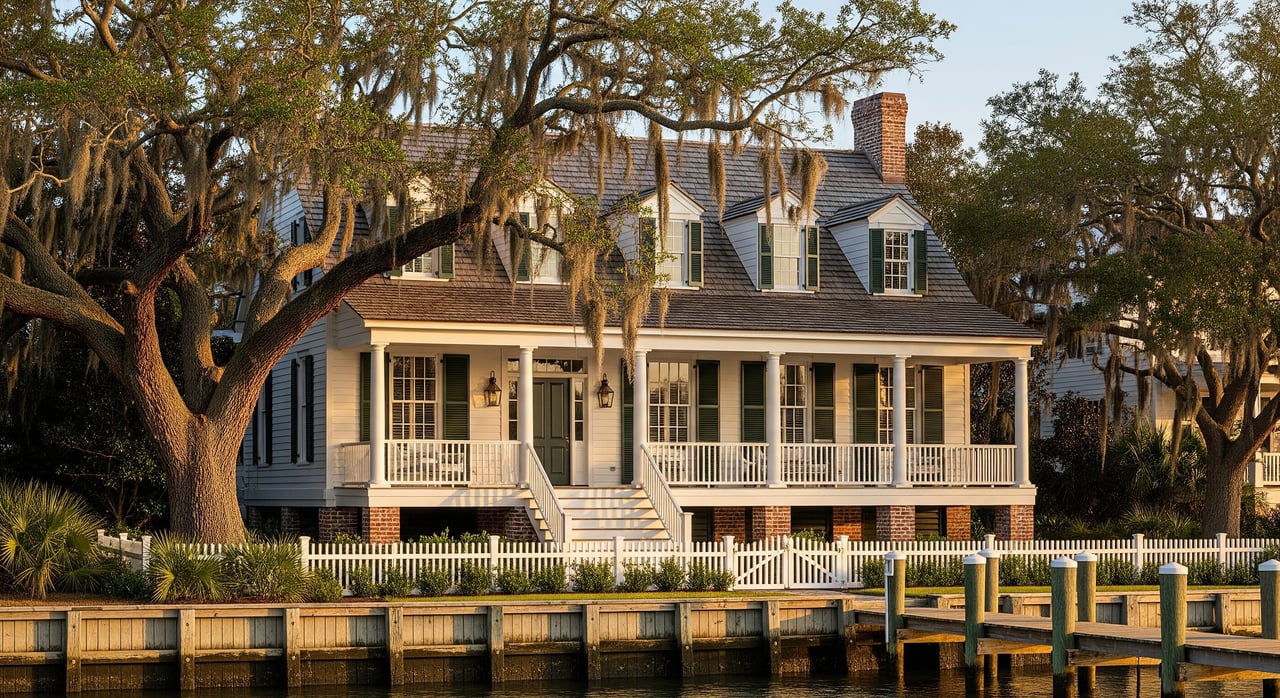
What if your morning walk took you past marsh grass, shrimp boats, and centuries-old oaks swaying over quiet streets? If you’re drawn to character-rich homes and waterfront energy, Old Village in Mount Pleasant puts daily Lowcountry magic right outside your door. You want a neighborhood that feels authentic, close to Charleston, and easy to enjoy without getting in the car every time. In this guide, you’ll learn what living in Old Village really looks like, how it compares to newer suburbs, and the key factors to know before you buy. Let’s dive in.
Why Old Village stands out
Old Village is Mount Pleasant’s historic heart along Charleston Harbor and Shem Creek. You get compact blocks, mature trees, and a layered streetscape shaped by more than a century of coastal living. It is one of the area’s most walkable pockets, with everyday routes to parks, docks, and local spots.
You’ll notice a mix of waterfront and inland homes, each with its own story. Some streets sit near visible maritime activity, including shrimping and charter boats on Shem Creek. The pace feels small-town, yet you’re a short hop to the city energy of downtown Charleston.
Historic, walkable streets
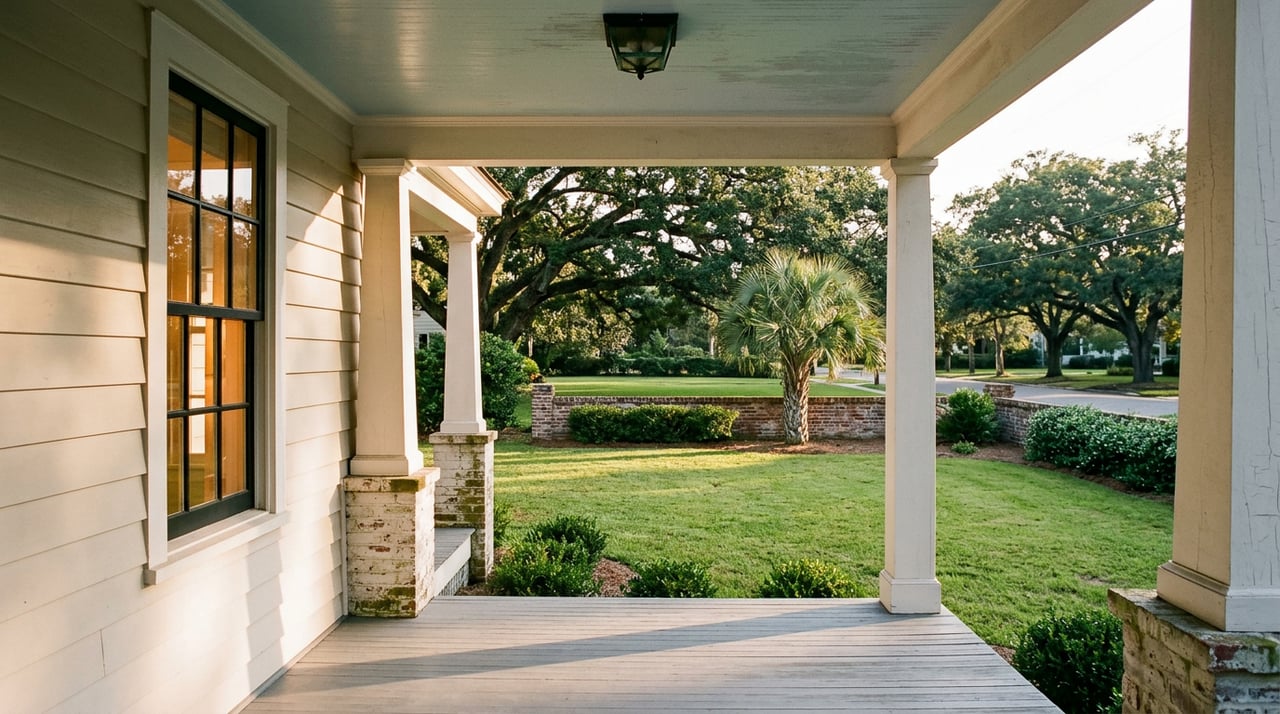
Sidewalks and short blocks make it easy to stroll for coffee, meet neighbors, or catch a harbor sunset. The tree canopy softens everything, from porch-to-porch chats to evening dog walks. You’ll find fewer cul-de-sacs and more connected streets than in newer subdivisions.
Waterfront life on Shem Creek and the harbor
Shem Creek is a daily backdrop here, from kayaks gliding by to the glow of boats returning at dusk. Residents enjoy boardwalk views and near-water walking routes. Mount Pleasant Memorial Waterfront Park offers sweeping vistas toward Charleston, plus places to pause for picnics and play.
Daily conveniences nearby
Coleman Boulevard hosts many local restaurants and shops just beyond the neighborhood’s quiet core. Inside Old Village, you’ll find a handful of neighborhood-serving businesses. Most errands stay close, and weekend plans often revolve around the water.
Getting around
Commute to downtown Charleston
The Ravenel Bridge puts downtown Charleston within a short drive, though actual time varies with traffic and season. Old Village sits near key corridors like Coleman Boulevard and US-17, making regional access straightforward. If your schedule is flexible, off-peak trips can feel surprisingly quick.
Walking, biking, and transit
Daily walking is part of the lifestyle here. You can also bike to parks, nearby commercial pockets, and scenic overlooks. If you rely on public transit, check current routes and schedules in advance since coverage changes over time.
Homes and architecture
A mix of eras and styles
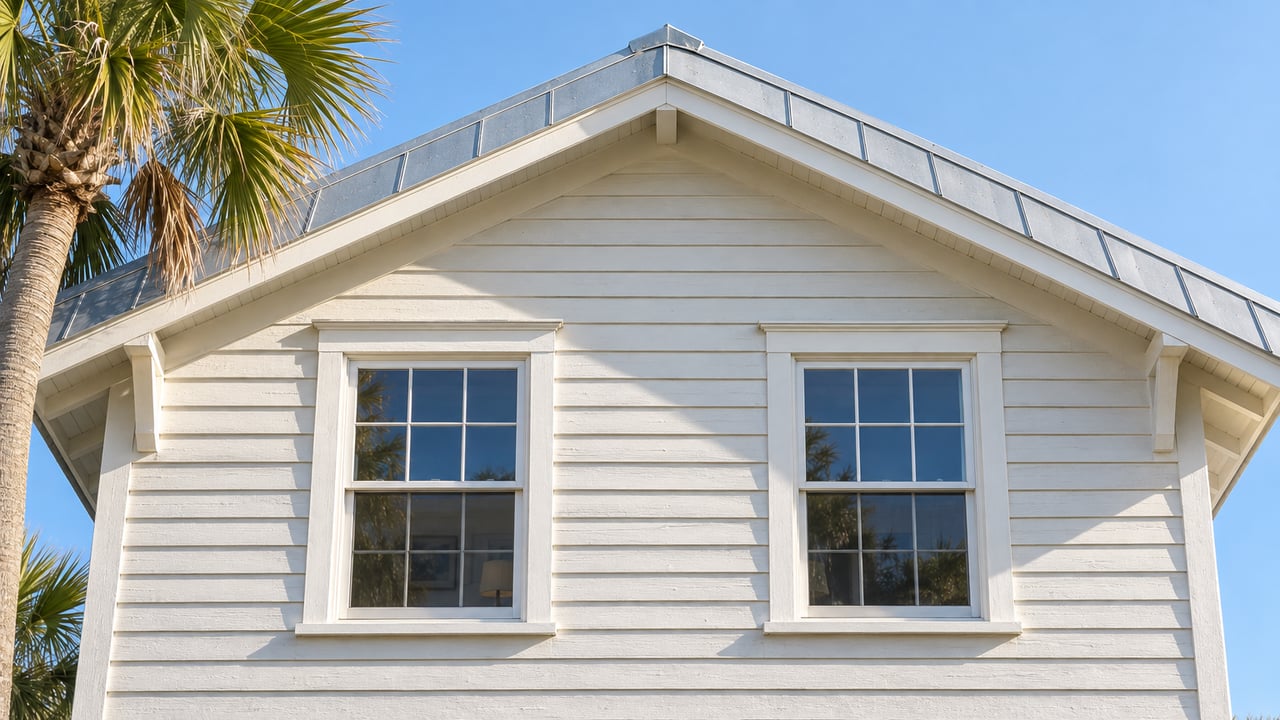
Housing spans 19th- and early 20th-century homes, Lowcountry cottages, simple bungalows, mid-century houses, and modern infill. Waterfront properties may be elevated coastal homes or renovated historic residences. The result is architectural variety rather than a one-look neighborhood.
Renovation and preservation
Parts of Old Village fall under local historic-preservation review. That can influence exterior changes, materials, and timelines for approvals. If you plan to renovate, build in time for permits, gather contractor estimates early, and review any neighborhood-specific guidelines with the Town of Mount Pleasant.
Flood, elevation, and insurance
Old Village’s harbor setting means some streets sit in FEMA-designated flood zones. Tidal and storm-related flooding can be part of life in low-lying areas across the Charleston region. Buyers often evaluate elevation certificates, flood insurance requirements, and flood-mitigation measures like raised foundations or elevated utilities.
What to check before you buy
- Confirm the exact property’s flood zone on FEMA maps and review elevation data.
- Ask about past flood history and any mitigation work already completed.
- Get insurance quotes early to understand ongoing costs.
- If waterfront or near marsh, consider bulkhead condition and drainage.
How Old Village compares to newer suburbs
Old Village trades big-lot uniformity for charm, location, and character. Here’s how it typically stacks up:
- Lot pattern and scale: Smaller lots, narrower streets, and a mature canopy vs. larger, more uniform suburban lots.
- Architecture: Eclectic, historic, and varied vs. standardized new construction and HOA design packages.
- Lifestyle: Walk-first with waterfront views and local storefronts vs. car-first with community centers, larger pools, and planned amenities.
- Practical trade-offs: Character and proximity vs. potential renovation costs, older systems, and flood planning.
Is Old Village a fit for you?
You might love Old Village if
- You value walkability, historic detail, and a porch-to-harbor lifestyle.
- You want quick access to Shem Creek and Charleston Harbor.
- You’re comfortable with smaller lots and a mix of old and new homes.
- You’re willing to manage flood and maintenance realities in exchange for location and character.
You might prefer newer suburbs if
- You want larger yards and a lower cost per square foot.
- You prefer new-construction finishes and HOA amenities like big pools and clubhouses.
- You need more off-street parking and larger garages.
- You want to minimize flood exposure and renovation work.
Smart next steps
- Walk the neighborhood at different times and tides to feel daily rhythms.
- Visit Shem Creek and Mount Pleasant Memorial Waterfront Park to gauge how you’ll use the water.
- Verify any historic-overlay rules and the permit path for your renovation plans.
- Check the FEMA flood map for a specific address and request elevation certificates where available.
- Review current market data with a local pro and tour a range of homes across streets and price points.
For sellers in Old Village
Your home’s story is your edge. Buyers here pay for place, architecture, and the life it promises. Thoughtful presentation can highlight porch moments, canopy-lined streets, and proximity to the water.
Modern & Main Group pairs cinematic listing video, curated photography, staging and minor-renovation management, and event-style open houses to attract design-conscious buyers. Our approach is built to maximize exposure and value while keeping the process smooth and discreet.
Ready to explore Old Village or position your home for a standout sale? Connect with Natalie Bodie - Modern and Main Group for a personal consultation.
FAQs
What is Old Village known for in Mount Pleasant?
- A historic, walkable neighborhood along Charleston Harbor and Shem Creek with mature trees, layered architecture, and easy access to parks and waterfront paths.
How walkable is Old Village for daily life?
- Sidewalks and short blocks make it one of Mount Pleasant’s most walkable pockets, with many residents strolling to local parks, boardwalks, and nearby shops.
Are there historic rules I should know before renovating?
- Parts of Old Village may fall under local historic review that can affect exterior work, materials, and timelines, so confirm requirements with the Town before planning.
What flood risks should buyers consider in Old Village?
- Some properties lie in FEMA flood zones; review flood maps, request elevation certificates, and get quotes to understand insurance and mitigation options.
How competitive is the Old Village market right now?
- Inventory can be tight and prices often reflect the neighborhood’s desirability; ask your agent for current local MLS data on median price and days on market.
How long is the commute to downtown Charleston from Old Village?
- The Ravenel Bridge puts downtown a short drive away, though travel time varies with traffic; check routes during your typical commute hours for accuracy.