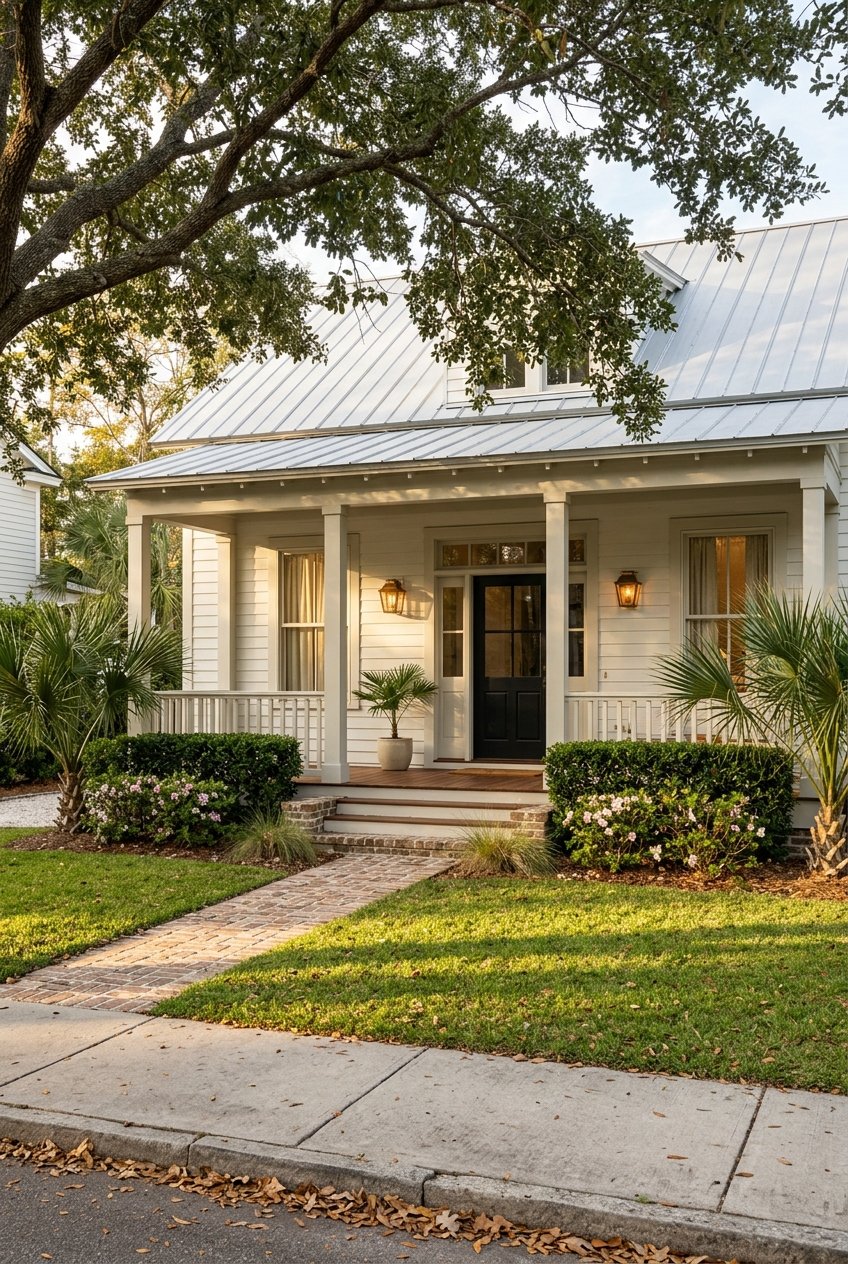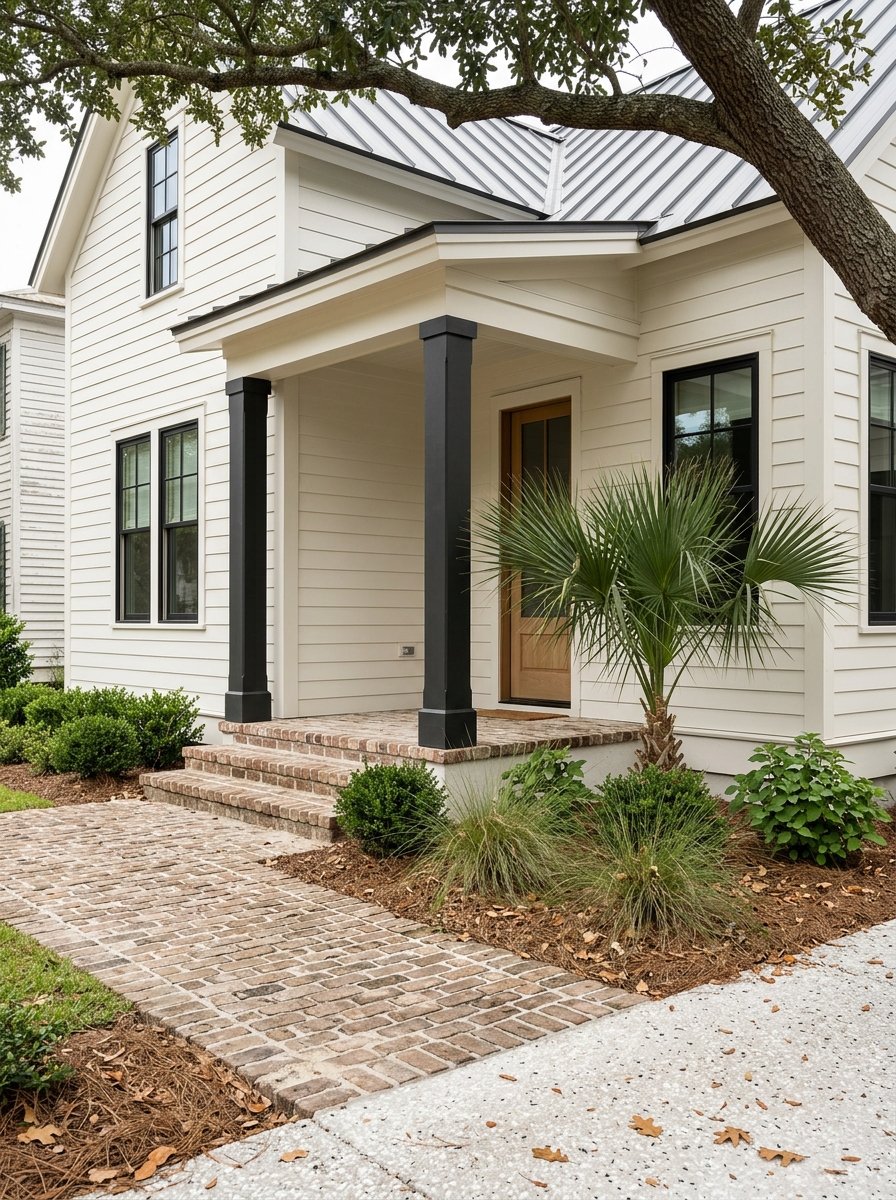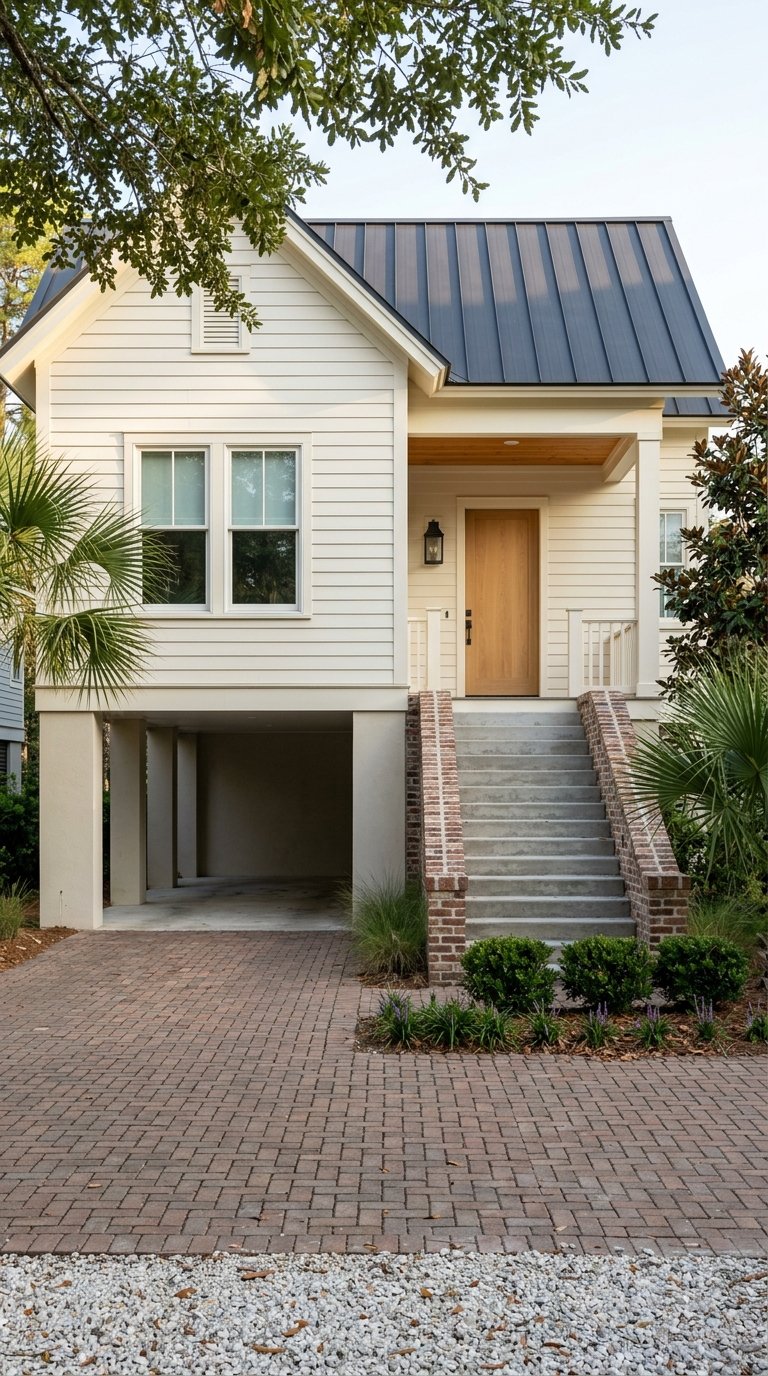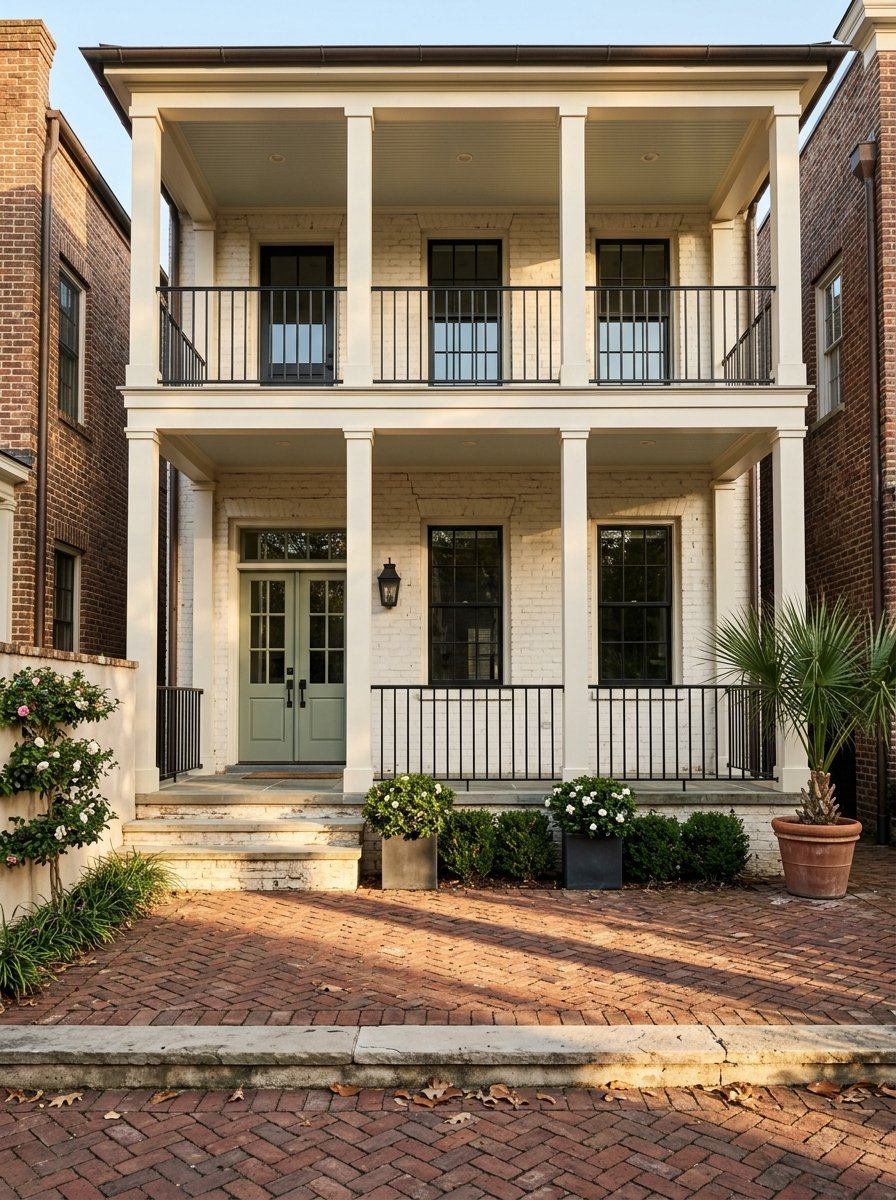
If you are shopping for a condo or townhome in downtown Charleston, it helps to know one thing right away: this is not a one-size-fits-all market. A beautiful property a few blocks from another can come with very different rules around parking, exterior changes, flood exposure, and rental use. If you want to buy with confidence, you need more than a quick online search. You need address-specific due diligence that matches the pace and character of downtown Charleston. Let’s dive in.
Downtown Charleston is a micro-market story
Downtown Charleston’s peninsula blends residential buildings with shops, hotels, institutions, and heavy visitor activity. The city describes the King Street Commercial District as the shopping and dining hub, with borders that include neighborhoods such as Cannonborough/Elliotborough, Radcliffeborough, Ansonborough, Eastside, Harleston Village, Charlestowne, and the Garden District. That mixed-use setting shapes how many downtown condo and townhome purchases work in real life.
In practical terms, downtown Charleston is really a collection of smaller micro-markets. A condo in Ansonborough, a townhome in Harleston Village, and a unit near Cannonborough-Elliotborough may all offer a different ownership experience, even if they are close together on a map. That is part of the appeal, but it is also why careful review matters before you close.
Why location changes the rules
Some downtown neighborhoods sit in Charleston’s historic core, where preservation review plays a larger role. For example, Ansonborough is one of the city’s earliest suburbs, while Harleston Village is known as a largely residential neighborhood with a wide range of architectural styles. Those differences can affect what kind of exterior work is possible and how much flexibility you may have as an owner.
Charleston’s Board of Architectural Review oversees new construction, alterations, and renovations that are visible from the public right-of-way in historic districts. It also reviews demolitions in several downtown contexts. For you as a buyer, that means visible updates like windows, roofing, porch work, and exterior changes may require review before approval.
Historic character can mean less flexibility
If you are drawn to historic details, downtown Charleston offers plenty of charm. Areas like South of Broad and Ansonborough can be especially appealing for buyers who value architecture and character. At the same time, those areas can be less flexible if you hope to make exterior changes later.
That does not mean historic properties are harder to buy. It simply means your due diligence should include a realistic look at what is allowed, what may need approval, and whether that fits your goals for the property.
Condo regimes and HOA documents matter more downtown
In South Carolina, condo ownership is shaped by the Horizontal Property Act. The law states that co-owners share common expenses on a pro rata basis, bylaws must explain how those expenses are collected, and associations must keep detailed receipts and expenditure records available for owner inspection. It also states that unpaid assessments become a lien on the unit.
This is the legal framework behind what many Charleston buyers call regime fees. Those monthly costs are not just line items on a budget. They often help fund common-area maintenance, insurance, and repairs to shared elements such as roofs, foundations, stairways, hallways, and utility systems.
What to review before you sign
South Carolina’s property condition disclosure addendum says that before a contract is signed, the owner must provide the addendum if the property is subject to an HOA, condo association, horizontal property regime, or similar covenant structure. It also prompts buyers to review governing documents and investigate the association.
For a downtown Charleston condo or townhome, key items to review include:
- Monthly dues
- Special assessments
- Reserve funding
- Rental restrictions
- Resale restrictions
- Guest rules
- Animal rules
- Parking rules
- Transfer fees
- Common-area concerns
For townhomes in HOA-style communities, South Carolina’s Common Interest Community Association Act requires governing documents to be filed with the county, and the buyer must be told where those documents are located at least five business days before closing. That makes document review a central part of the process, not an optional step.
Ask about unpaid assessments
One downtown detail that buyers sometimes miss is assessment liability. Under the Horizontal Property Act, a purchaser can be jointly and severally liable with the seller for amounts owed, unless that liability is limited by the association’s statement of amounts due. In plain English, you want confirmation of what is owed before closing so there are no surprises.
Rental rules are highly address-specific
If you are buying with rental income in mind, downtown Charleston requires extra caution. The city defines a short-term rental as a rental of a dwelling unit or bedroom for less than 30 consecutive days. The city also states that short-term rentals are allowed in a homeowner’s primary residence and require both a permit and a business license.
Just as important, not every property is eligible. Charleston’s short-term rental rules are category-specific, and downtown addresses can fall under very different standards depending on location.
The address matters more than the ZIP code
Charleston’s category criteria show why broad assumptions do not work downtown. Category 1 covers the Old and Historic District and requires, among other things, one additional off-street parking space and that the STR unit be in an existing structure or accessory building individually listed on the National Register of Historic Places. Category 2 covers the rest of the peninsula outside the Overlay Zone and Old and Historic District, with its own age and parking requirements.
Cannonborough-Elliotborough is treated differently under the Short Term Rental Overlay. In that area, commercially zoned parcels may qualify for a commercial STR permit, while residentially zoned parcels may qualify for a bed-and-breakfast permit. Charleston’s bed-and-breakfast rules also include owner-occupancy, age, parking, permitting, and record-keeping requirements.
If you are planning to rent long term instead, there are still location-specific rules to review. Charleston’s Residential Rental Registration Pilot Program applies to Cannonborough-Elliotborough, Radcliffeborough, and Mazyck-Wraggborough.
HOA rules can be stricter than city rules
Even if a property appears eligible under city regulations, that does not automatically mean the use is allowed. Charleston’s own STR application guide warns applicants to verify whether recorded covenants or HOA rules restrict the proposed use.
That is why rental due diligence should include the city, the zoning context, and the association documents. In downtown Charleston, there is no universal rental rule that applies to every condo or townhome.
Parking can shape daily life
Parking is not a small detail on the peninsula. It can affect convenience, guest access, and the property’s long-term usability. Before you buy, confirm whether the unit includes deeded parking, assigned parking, shared parking, or no private parking at all.
Charleston’s residential parking program now uses digital permits and license-plate scans. Homeowner permits cost $15 per vehicle, renter permits cost $10 per vehicle, and visitor pass availability is limited. That system can help, but it is not a substitute for knowing exactly how the property handles parking day to day.
Questions worth asking about parking
For any downtown condo or townhome, ask:
- Is parking deeded, assigned, leased, or first-come first-served?
- How many spaces come with the property?
- Are guest spaces available?
- Are there restrictions on oversized vehicles?
- If the property depends on street parking, is that realistic for your lifestyle?
A beautiful downtown address can feel very different when parking is easy versus when it becomes a daily puzzle.
Flood zones should be verified early
Flood exposure is another major due-diligence item in downtown Charleston. According to the city’s Know Your Flood Zone resource, AE and VE zones are in the Special Flood Hazard Area, where NFIP floodplain regulations apply and mandatory flood insurance may apply. X zones are outside the Special Flood Hazard Area, but the city notes they still carry risk.
The same city guidance also explains that all work in the Special Flood Hazard Area, including painting, interior finishes, and storm-damage repairs, requires a permit. Since January 1, 2023, Charleston has also enforced Coastal A Zone flood design requirements for new construction and substantial improvements.
Why this matters to buyers
For you, the key step is simple: verify the exact flood zone for the specific address before closing. Do not rely on a general assumption based on the neighborhood. A single block can make a difference in insurance, future work, and ownership costs.
Older buildings need thoughtful inspections
Many downtown Charleston condos and townhomes have age, charm, and architectural appeal. They can also come with maintenance issues that deserve a closer look. For older properties, the inspection conversation often centers on moisture intrusion, roof flashing, crawl-space ventilation, and wood-destroying organisms.
FEMA guidance notes that damaged flashing can allow water intrusion and mold. Clemson also notes that Charleston County has established termite pressures, and that crawl spaces are especially vulnerable when moisture and ventilation are not controlled.
Build a smarter inspection plan
The state disclosure form specifically prompts questions about roofs, chimneys, floors, foundations, plumbing, electrical systems, heating, cooling, insect activity, zoning restrictions, parking, common-area issues, and transfer fees. That is a strong signal that your inspection process should be broader than a standard checklist.
Depending on the property, a strong due-diligence plan may include:
- A standard home inspection
- Review of condo or HOA documents
- Confirmation of common-area conditions
- Follow-up inspections when moisture or wood-destroying organism concerns appear
Neighborhood nuance matters downtown
Downtown Charleston rewards buyers who think block by block. South of Broad and Ansonborough are especially preservation-sensitive, which can be a plus if you want a historic setting and a more curated streetscape. Harleston Village offers a largely residential feel and a broad mix of architecture, which means building age and association rules should be checked carefully for each property.
Cannonborough-Elliotborough and Radcliffeborough are especially important for buyers who are focused on rental use because those areas intersect with some of the city’s clearest rental regulations. The big takeaway is simple: downtown Charleston is not one condo market. It is several distinct ownership experiences with different rules tied to the exact address.
Your downtown Charleston due-diligence checklist
Before you close on a downtown condo or townhome, verify these five items for the specific property:
- Flood zone and whether Special Flood Hazard Area rules or flood insurance obligations apply.
- BAR or historic district context and whether visible exterior changes may require review.
- Rental eligibility based on STR category, overlay status, zoning, and HOA rules.
- Parking setup including deeded, assigned, visitor, or permit-based options.
- Association documents including budget, reserves, dues, special assessments, and any unpaid balances.
Downtown Charleston can be an incredible place to own, whether you want a lock-and-leave residence, a second home, or a full-time address with walkable access to the peninsula’s energy and charm. The key is making sure the property’s story aligns with your lifestyle, your budget, and your long-term plans.
If you want a thoughtful, hyperlocal guide as you evaluate condos and townhomes downtown, connect with Natalie Bodie - Modern and Main Group. You will get boutique-level guidance, clear next steps, and a buying strategy built around the details that matter most.
FAQs
What should you review before buying a downtown Charleston condo?
- You should review the association budget, dues, reserves, special assessments, parking rules, rental restrictions, transfer fees, and any unpaid assessments tied to the unit.
How do short-term rental rules work for downtown Charleston condos and townhomes?
- Short-term rental rules depend on the exact address, zoning, overlay status, parking requirements, owner-occupancy rules, and any HOA or covenant restrictions.
Why does flood zone matter when buying in downtown Charleston?
- Flood zone can affect insurance requirements, permit rules, repair standards, and future ownership costs, so it should be confirmed for the specific property early in the process.
Do historic district rules affect downtown Charleston townhomes?
- Yes. In historic districts, visible exterior work such as windows, roofing, porch changes, and some renovations may require review by the Board of Architectural Review.
Is parking difficult for downtown Charleston condo owners?
- Parking can be a major factor downtown, so you should confirm whether the property includes deeded or assigned parking, how guest parking works, and whether street permit parking is a realistic backup option.
Are downtown Charleston neighborhoods all the same for condo buyers?
- No. Areas like Ansonborough, Harleston Village, South of Broad, Cannonborough-Elliotborough, and Radcliffeborough can have very different preservation, rental, flood, and parking considerations.