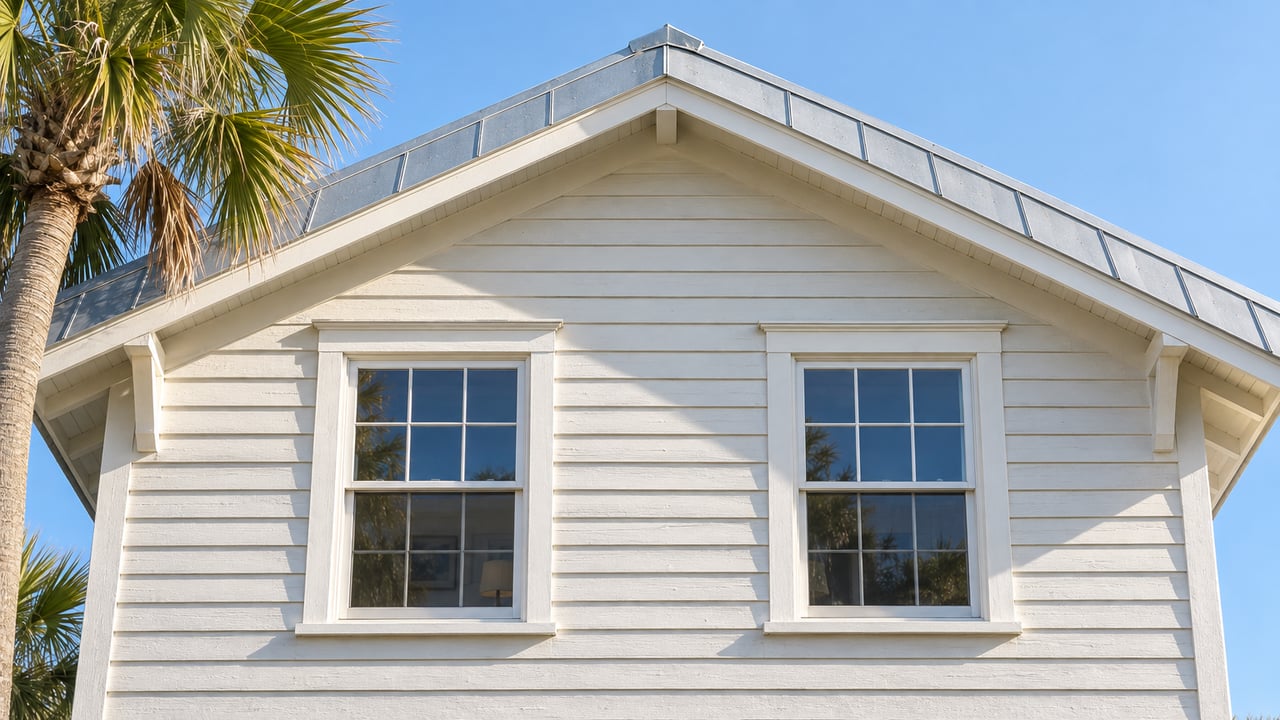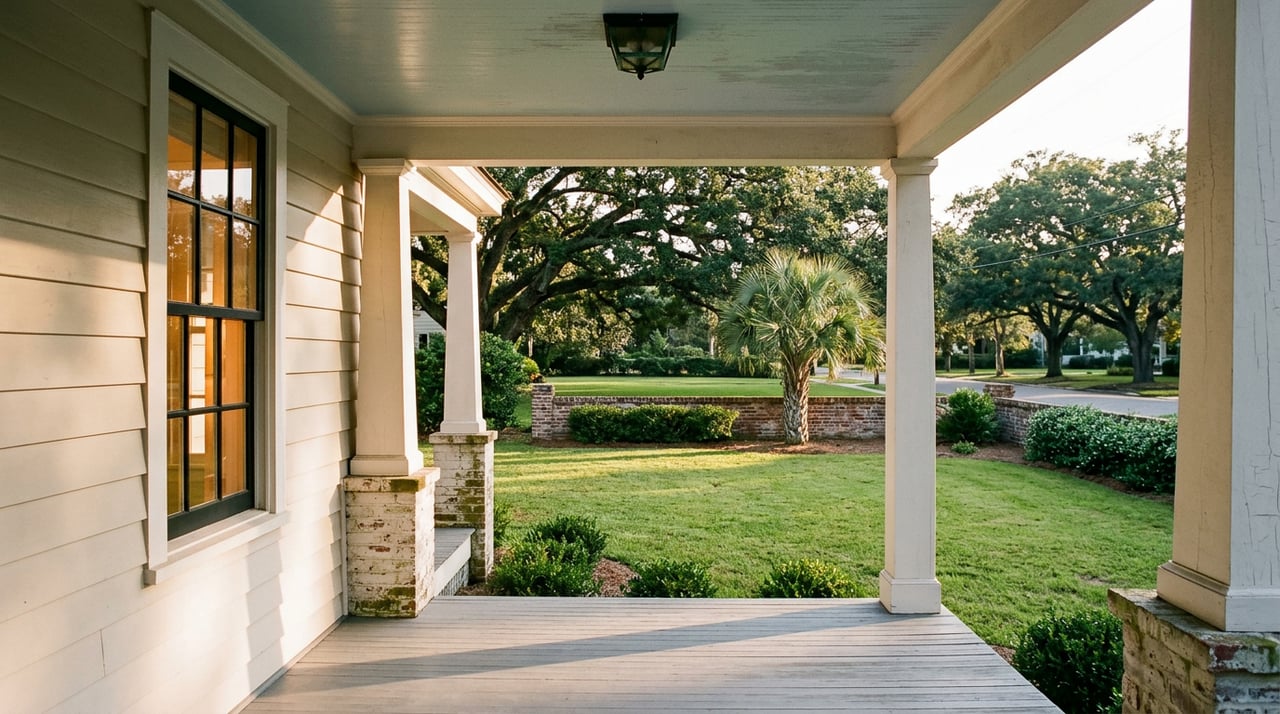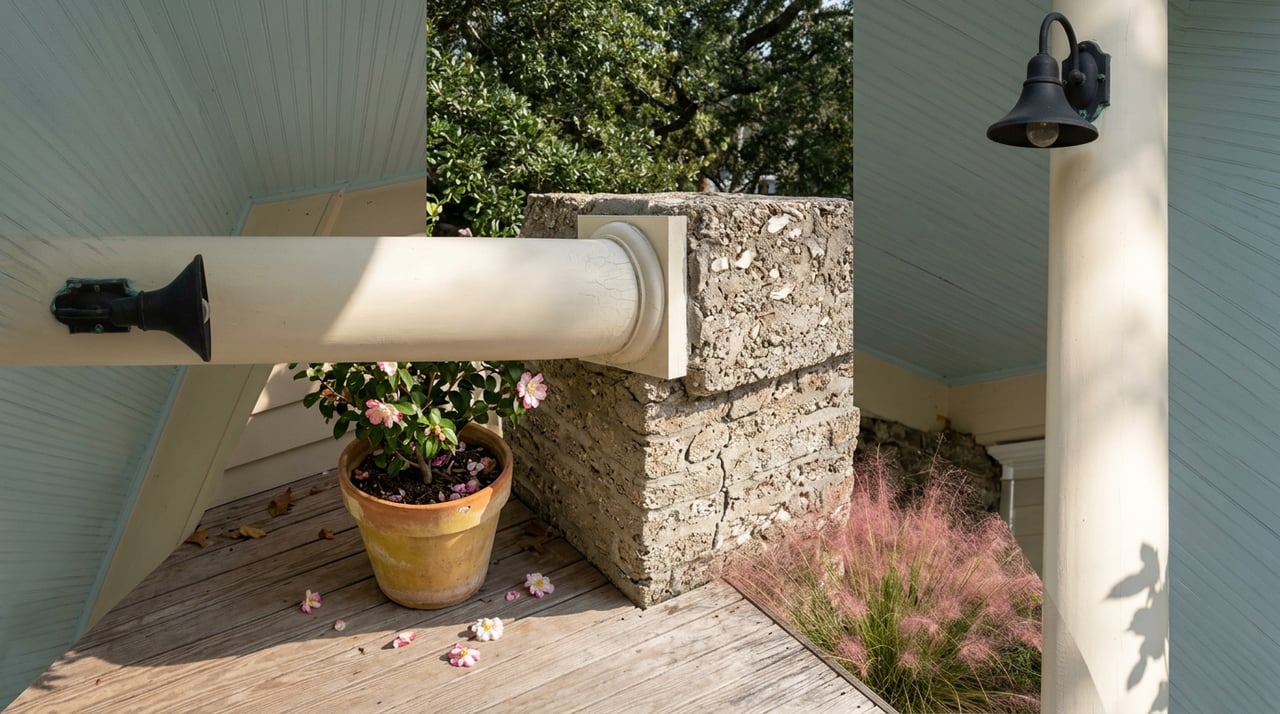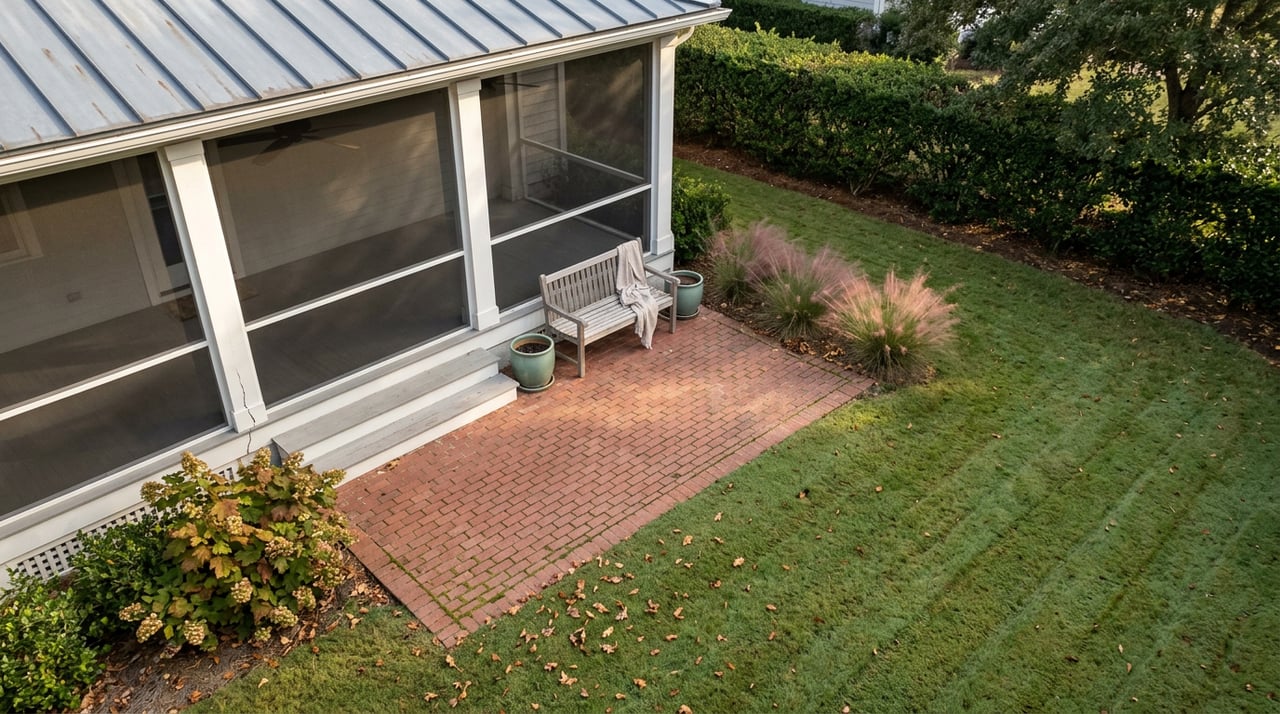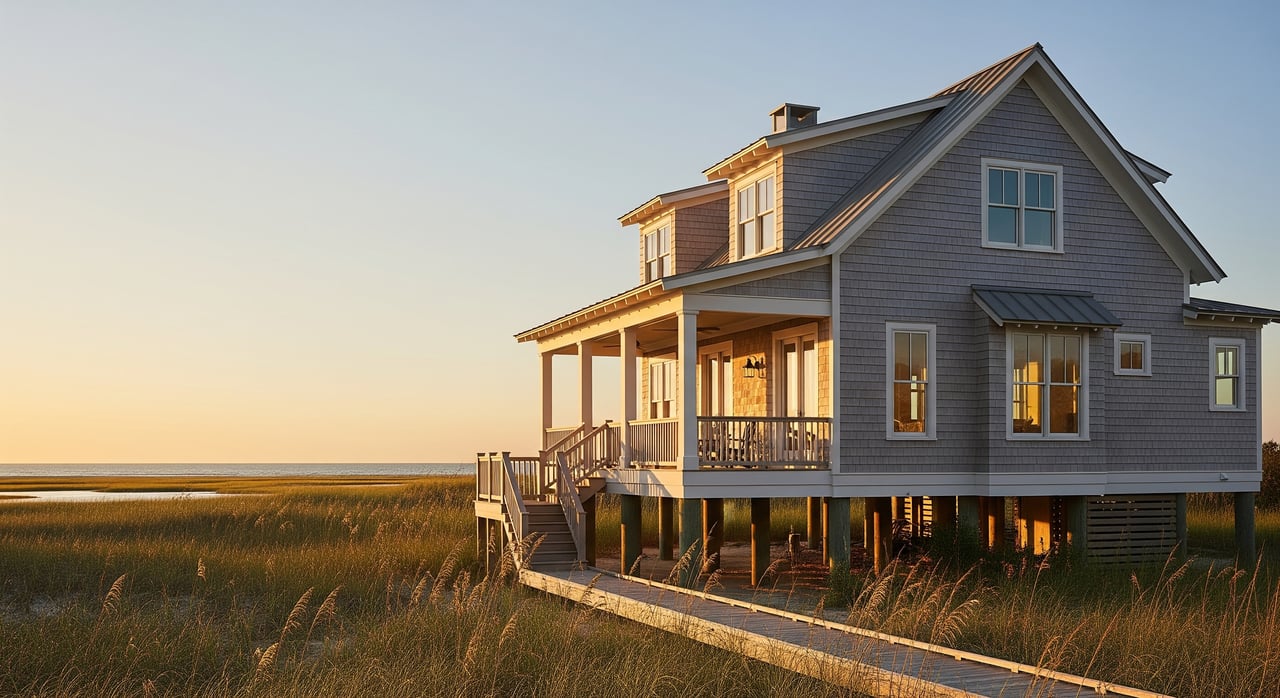
What if the home you fall in love with comes with better views, cooler breezes, and extra peace of mind during storm season? On Sullivan’s Island, many homes are elevated for exactly those reasons. If you are new to coastal Charleston, the design may feel different at first. This guide explains what elevated homes are, why they are common here, and how to evaluate if one fits your lifestyle and goals. Let’s dive in.
What an elevated home is
An elevated home raises the primary living floor above the surrounding ground to reduce flood risk. You often see parking, storage, or open space below, with the main living areas one level up. This approach helps keep water out of the rooms you use every day.
Common coastal structures
- Pile-supported or stilt homes use driven or drilled piles to hold the elevated frame and allow water to pass underneath. These are very common on barrier islands.
- Pier-and-beam with a crawlspace uses shorter piers to lift the house above grade.
- Elevated slab construction raises the slab on compacted fill or short piers to reach the required height.
Design features that matter
- Breakaway lower walls in non-living areas are designed to fail under extreme loads so the living floors stay safe.
- Flood vents or engineered openings help equalize pressure during a flood in enclosed areas below the living level.
- Utilities like HVAC, water heaters, and electrical panels are placed high on platforms or upper floors to avoid water damage.
- Anchoring, tie-downs, and hurricane-ready connections help resist wind uplift and surge forces.
Why elevation fits Sullivan’s Island
Sullivan’s Island is a barrier island on the Atlantic. That means exposure to storm surge, hurricanes, nor’easters, and occasional nuisance or king-tide flooding. Local sites often sit in higher-risk FEMA flood zones with higher Base Flood Elevations, also called BFEs.
Flood resilience and faster recovery
Raising your living areas above predicted flood levels reduces the chance that water enters the spaces you live in. After a flood, repair needs often focus on the lower garage or storage areas instead of kitchens, baths, and bedrooms. Keeping mechanical systems elevated can also cut down on costly replacements.
Comfort, views, and breezes
Elevated floors tend to capture coastal breezes and improve sightlines. Porches and decks feel more private and can frame water or marsh views. With good detailing, under-floor airflow can also help manage moisture for better long-term durability.
Limits to understand
Elevation reduces flood risk but does not remove wind and wave risks. In coastal high hazard areas with waves, substructures like piles must be designed for wave loads and scour. Proper engineering is key.
Permits, codes, and insurance
FEMA maps and BFEs
FEMA Flood Insurance Rate Maps assign zones like AE and VE and set the BFE for each area. New builds and substantial improvements in high-risk zones typically must elevate the finished floor at or above the BFE. Elevating above BFE can also help reduce flood insurance premiums.
Local rules and coastal permits
The Town of Sullivan’s Island applies building and zoning rules that work with FEMA and state coastal oversight. Many coastal jurisdictions require a finished floor at BFE plus freeboard. South Carolina’s Office of Ocean and Coastal Resource Management may review projects that affect beachfront and dune systems. Local building departments also enforce wind and structural codes.
Insurance and lending basics
Lenders require flood insurance if the property sits in a high-risk flood zone. Flood insurance and homeowners wind coverage are separate. An Elevation Certificate usually helps set your flood insurance rate. If your lowest habitable floor sits higher above BFE, premiums often improve.
Costs and maintenance realities
What drives higher build costs
- Foundation systems with driven piles or drilled piers cost more than a slab-on-grade.
- Structural engineering and inspections for wind, wave, and scour resistance add fees.
- Elevating utilities and building platforms for mechanicals increases cost.
- Coastal finishes, corrosion-resistant materials, and roofing designed for salt spray can be pricier.
- Access adds up: exterior stairs, landings, and optional elevators or lifts.
- Site work such as driveways, retaining walls, and grade changes may be needed.
Maintenance to plan for
- Salt spray speeds corrosion of fasteners, connectors, and steel. Materials like galvanized, stainless, treated timber, composites, or concrete reduce risk but still need routine checks.
- Timber piles, where used, require periodic inspection. Some owners opt for concrete or steel where appropriate.
- Scour and erosion around piles and footings should be inspected after major storms.
- Decks, stairs, and railings see heavy sun, wind, and salt exposure and may need earlier replacement.
- Moisture and pests can collect below the living floor if spaces are not vented and drained. Breakaway walls should be detailed to drain quickly.
Daily living tradeoffs
Stairs change your daily rhythm. Carrying groceries or beach gear up and down can get old without a lift or elevator. Elevated homes often deliver better views and outdoor living, but the raised profile also changes the streetscape and may catch more wind and noise on higher levels.
Under-house space: smart uses
The area below the living floor can be a major bonus. Many owners use it for garaging, storage, workshops, or covered entertaining. Local rules often limit what you can finish as living space below BFE, so plan uses that align with flood designations.
Buyer checklist for Sullivan’s Island
Before you tour or make an offer
- Ask for the property’s FEMA flood zone and BFE, plus any available Elevation Certificate.
- Request the seller’s flood insurance history and any past flood or storm claims.
- Confirm local freeboard requirements, setbacks, and any coastal permitting needs for the site.
- Ask whether lower enclosures are designed as breakaway and if flood vents are installed.
During inspection and due diligence
- Verify the elevation of the finished living floor and where mechanicals are placed.
- Review the foundation or piles for corrosion, wood condition, and signs of scour.
- Inspect stairs and railings; if an elevator is present, review service records.
- Evaluate under-house storage and parking to see if it fits your needs.
After closing and long-term
- Get updated flood and wind insurance quotes using the latest Elevation Certificate.
- Schedule routine inspections after major storms and plan for coastal maintenance.
- If you plan renovations, consult the town and state coastal office early to stay aligned with FEMA, local code, and permitting.
Is an elevated home right for you?
If you want coastal living with stronger flood resilience, elevated design is often the local norm and a smart fit on Sullivan’s Island. You will likely gain better views and outdoor living while protecting key systems from water. The tradeoffs are real, including stairs, added up-front cost, and a bit more maintenance. With solid engineering and the right team, you can set clear expectations, streamline insurance, and enjoy the island lifestyle with fewer interruptions.
Ready to explore elevated homes or position your property for premium results? Connect with Natalie Bodie - Modern and Main Group to map your path with boutique guidance and cinematic marketing. Tell your home's story — start with a consultation.
FAQs
What is a Base Flood Elevation (BFE) on Sullivan’s Island?
- The BFE is the FEMA-defined height that a flood is expected to reach in a given area. New builds and substantial improvements typically must elevate finished floors at or above the BFE, often with added local freeboard.
How do elevated homes affect flood insurance premiums on Sullivan’s Island?
- Elevating the lowest habitable floor above BFE often reduces flood insurance premiums, but rates depend on the Elevation Certificate and policy specifics.
Are lower-level rooms in elevated homes considered living space?
- In high-risk zones, lower enclosures are usually limited to parking, storage, or access and may need breakaway walls and flood vents. Local rules often restrict finishing these areas as living space.
Do elevated homes eliminate hurricane risk on Sullivan’s Island?
- No. Elevation reduces flood entry but does not remove wind or wave risks. Proper engineering for wind loads, wave action, and scour is essential.
What should I review before buying an elevated home on the island?
- Ask for FEMA zone and BFE, the Elevation Certificate, flood insurance history, details on breakaway walls and vents, and inspection records for piles, stairs, and any elevator.