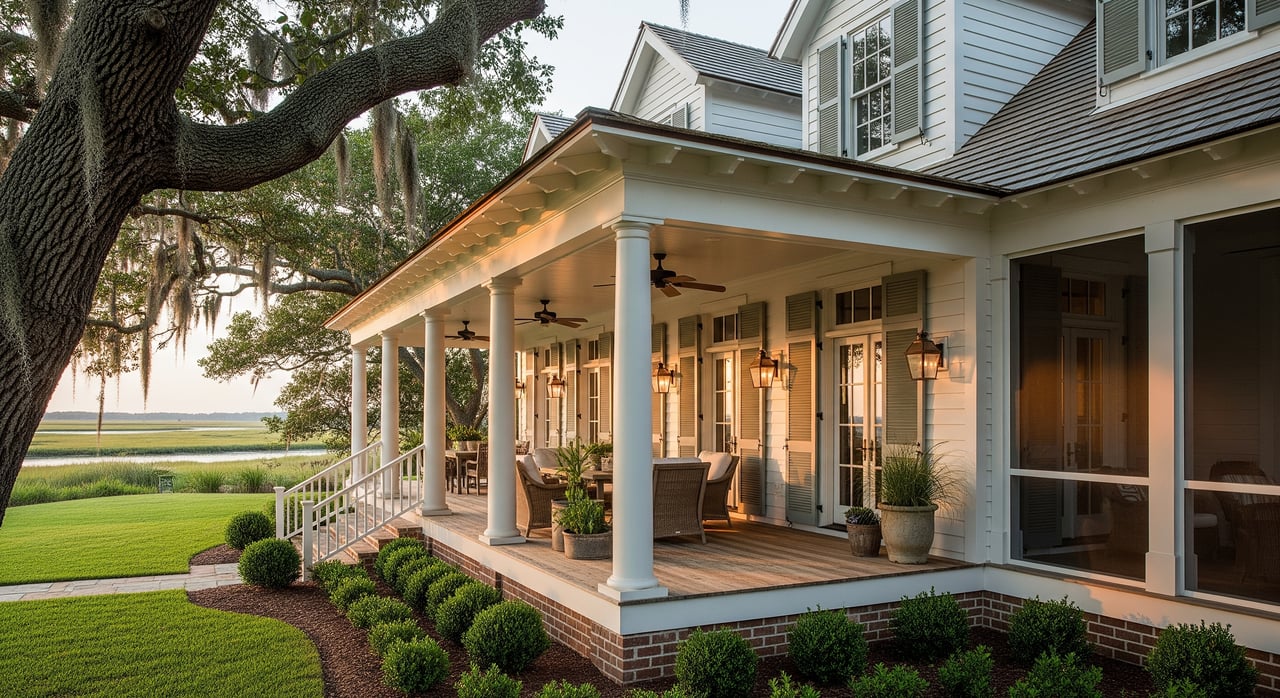
If you love breezy porches, tall windows, and that effortless Charleston-coastal feel, you are in the right place. In Mount Pleasant’s Old Village and surrounding neighborhoods, classic Lowcountry design is more than a look. It is a smart response to heat, humidity, and coastal weather that also creates standout curb appeal. In this guide, you will learn which features buyers gravitate toward, why they matter in our climate, and how to spot authentic details or upgrade your own home with confidence. Let’s dive in.
What defines Lowcountry style in Mount Pleasant
Lowcountry architecture grew out of a hot, humid, coastal environment with onshore breezes, heavy rain, and periodic storms. Homes use shade, airflow, and elevation to keep interiors comfortable and protected. In the Old Village, you see deep porches, vertically scaled windows, and raised foundations paired with painted wood siding and metal roofs.
These features are both beautiful and practical. They create outdoor living space that works nearly year-round, manage heat naturally, and add resilience in a coastal setting. Buyers value them because they deliver comfort, everyday lifestyle, and timeless appeal.
Wide porches that live large
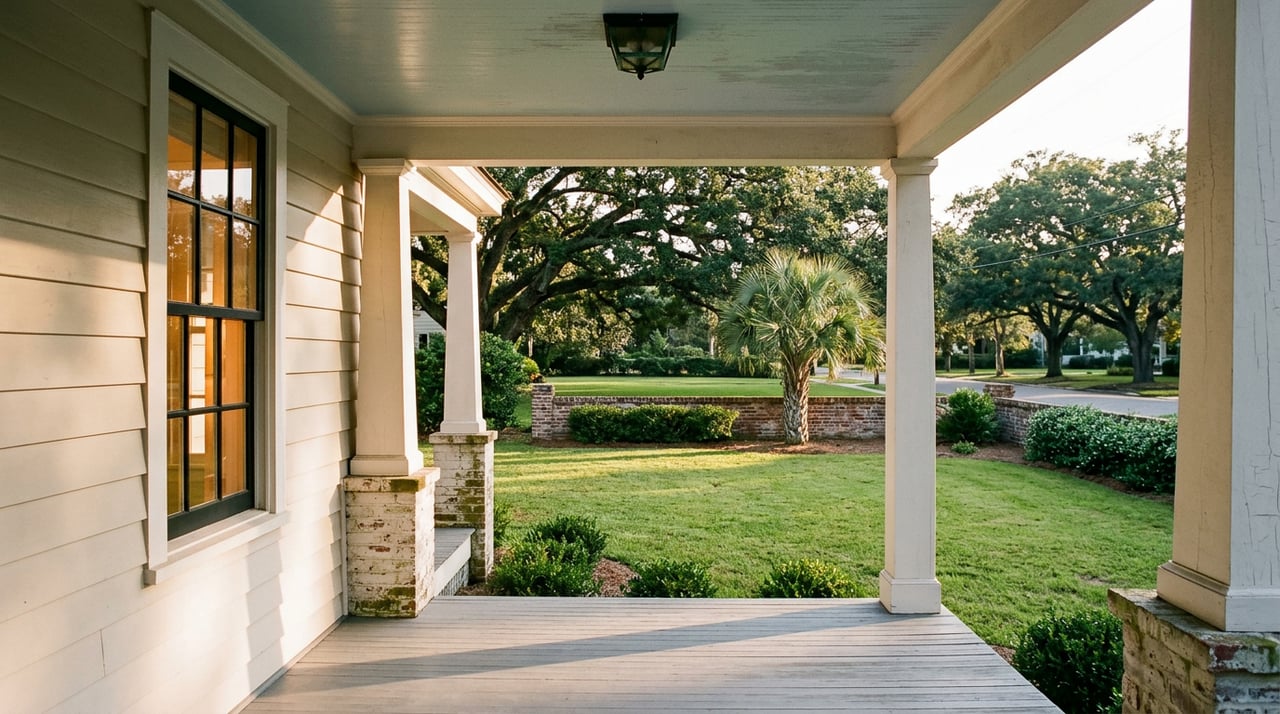
Deep porches, often called piazzas or verandas, are hallmarks of Charleston-area homes. In many traditional layouts, the porch runs along the long side of the house to catch prevailing breezes. This shaded space cools air before it enters the house and reduces heat gain on exterior walls.
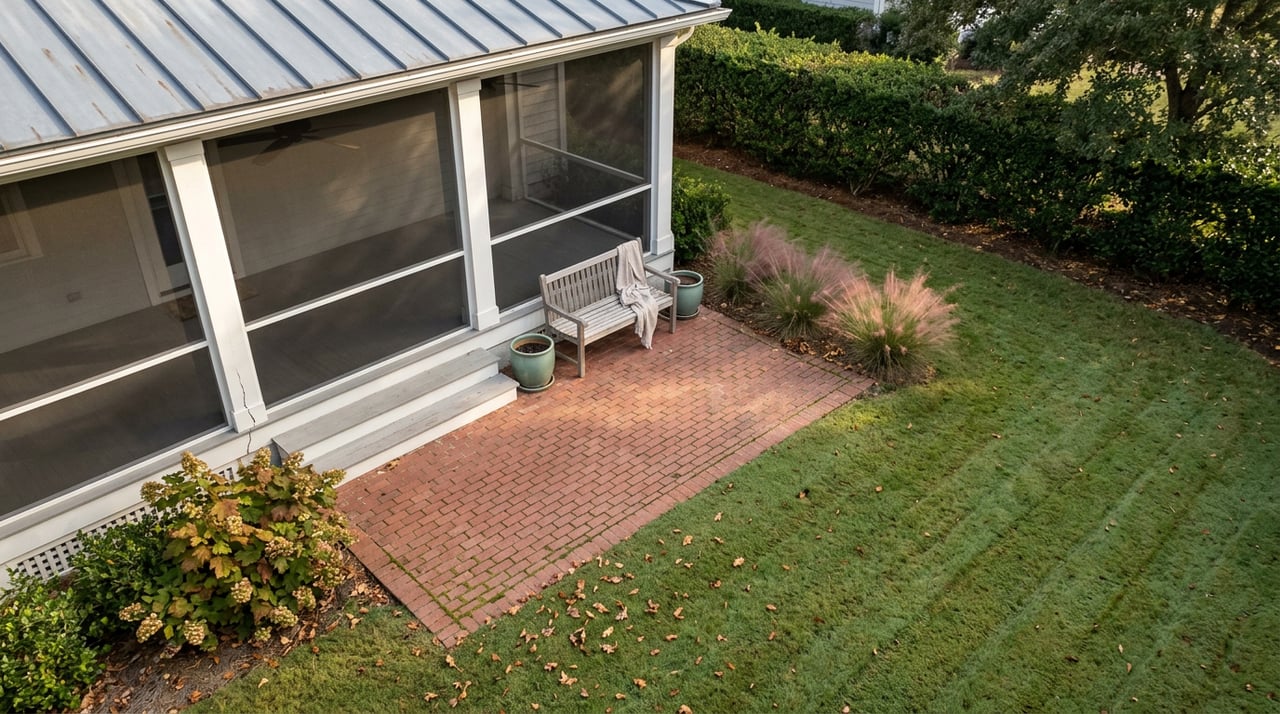
What should you look for when buying? Porch depth that supports real lounging and circulation. Historic depths often fall in the 8 to 12 foot range, which allows seating without crowding. Note the orientation, ceiling fans for airflow, and whether screening is integrated cleanly.
If you are selling, a few tasteful updates go a long way. Consider durable decking that matches the look of older boards, stainless fasteners to resist corrosion, and low-profile lighting for evening ambiance. Maintenance checks include monitoring for water intrusion at ledger connections, rot at posts and decking, and any signs of termite activity around framing.
Tall windows, transoms, and shutters
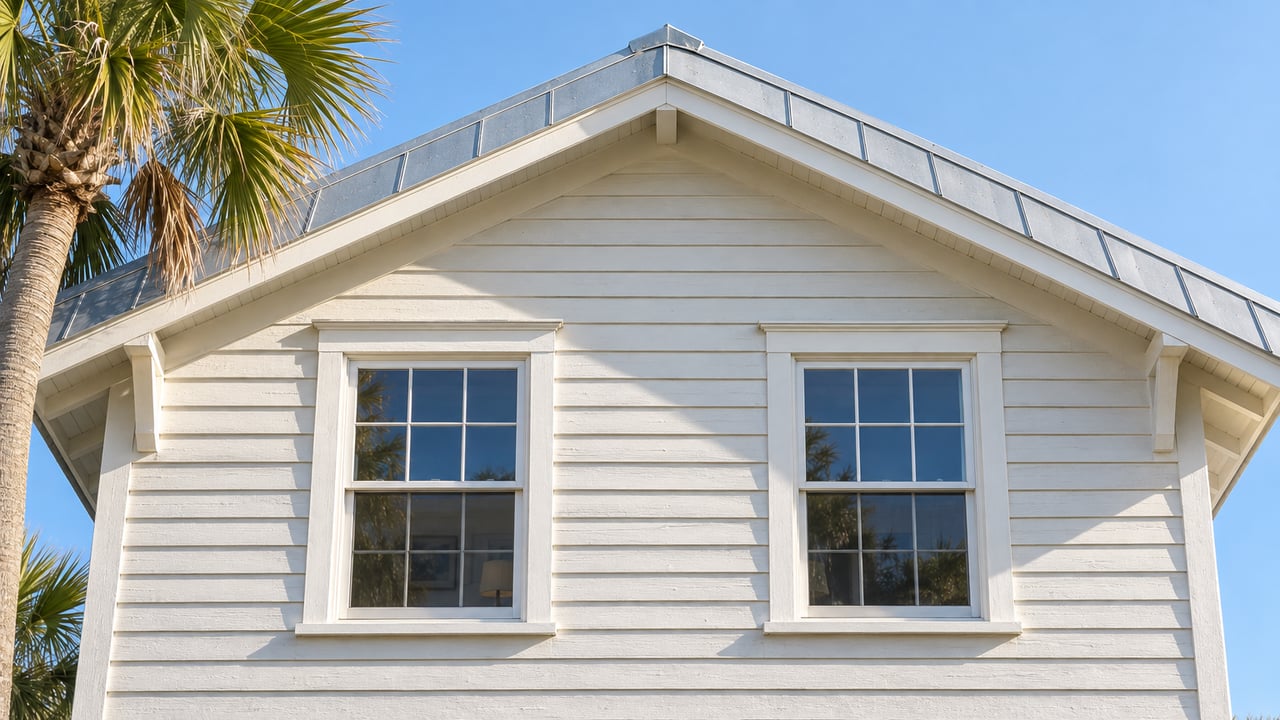
Tall double-hung windows and transoms bring in light and promote cross-breezes. Operable louvered shutters add sun control, privacy, and storm protection when they are designed to function, not just decorate. In Old Village homes, you will often see vertically proportioned multi-pane sashes facing porches or views.
Modern versions can keep the look while improving performance. Insulated double-glazed windows with true or simulated divided lights maintain the historic rhythm. If shutters are present, check whether they are sized to close over the window and mounted with hinges and tie-backs. Pay attention to weatherstripping, flashing, and durable sills to help prevent water intrusion during coastal storms.
Elevated foundations that protect
Raised homes on brick or masonry piers keep living spaces above damp ground and potential flood levels. Elevation also ventilates the underfloor area, which helps limit rot and humidity. In the Old Village, you will find cottages and single houses with visible steps to a raised main level and lattice or board-and-batten skirting that allows airflow.
When evaluating properties, confirm how the finished floor relates to local flood requirements. Enclosed lower spaces should have appropriate flood openings, and materials at or near grade should be rated for ground contact and corrosion resistance. If you plan updates, ensure there is reliable access for inspections and mechanical systems, and consider conditioned crawlspace strategies when appropriate.
Coastal materials that last
Traditional Lowcountry homes often feature painted wood clapboard or beaded siding, cypress trim, brick foundations and chimneys, and standing-seam metal roofs. These materials make sense here. Cypress resists rot and insects, brick stands up to moisture, and properly installed metal roofs shed heavy rain and resist wind uplift.
If you want lower maintenance without losing character, fiber-cement siding with accurate profiles is a strong option. Engineered wood or PVC trims can mimic cypress at high-exposure points. For roofs, standing-seam metal with coastal-rated fasteners and straps balances authenticity and durability. Keep in mind that exposed wood needs periodic repainting and that standard steel fasteners can corrode more quickly in salt air, so choose stainless or hot-dipped galvanized hardware.
Quick authenticity checklist for house-hunting
Use this shortlist to spot genuine Lowcountry style and smart modern updates:
Form and siting
- Long side or porch oriented to capture breezes.
- Elevated main level with visible steps and ventilated crawlspace.
- Street patterns consistent with Old Village character, with mature trees and measured setbacks.
Exterior details
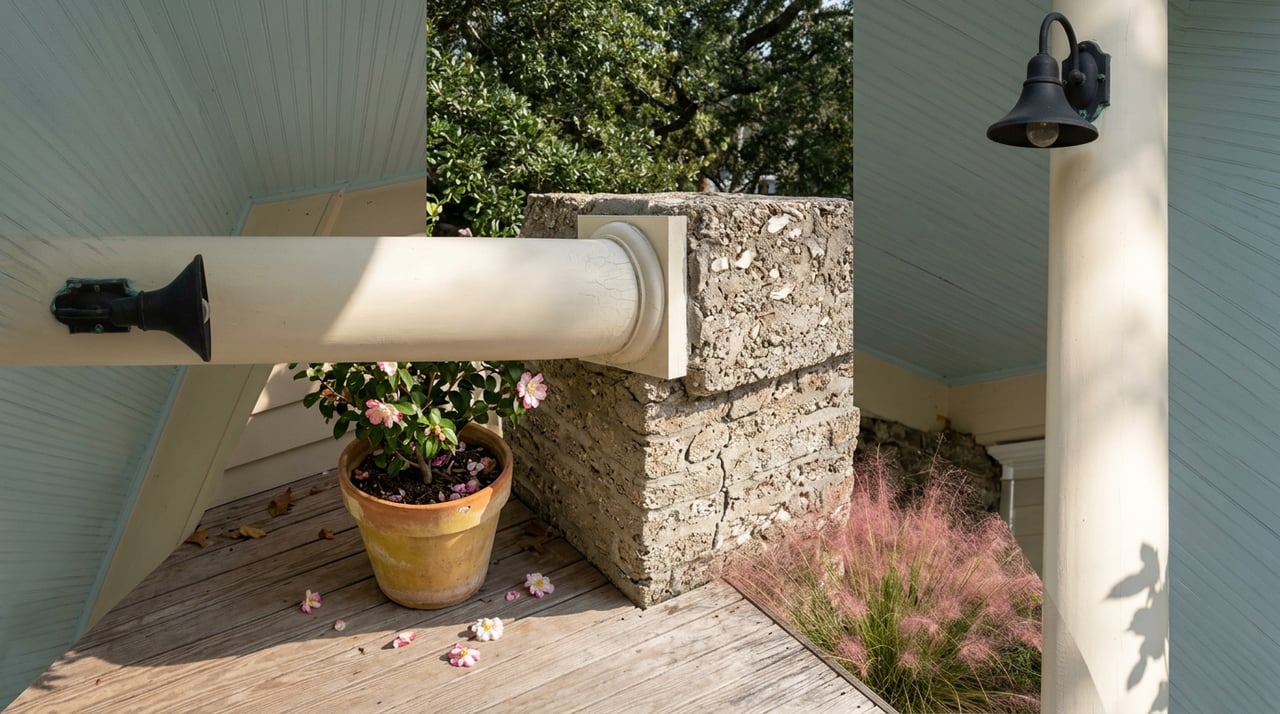
- Deep porches with classical or tapered posts and beadboard ceilings.
- Tall, vertical windows and doors, often with transoms and multi-pane sashes.
- Louvered shutters sized to close, ideally operable.
- High ceilings inside that lift heat and pair with generous roof overhangs.
- Wood clapboard or beaded siding and simple, well-proportioned trim.
Foundations, roofs, and materials
- Brick piers or continuous raised brick foundations with ventilation.
- Standing-seam metal roof with appropriate pitch and wide eaves.
- Cypress or heart pine elements, including porch decking or interior floors in older homes.
- Brick chimneys, sometimes external on gable ends.
- Coastal-appropriate hardware and corrosion-resistant fasteners.
Modern equivalents that preserve character
- Insulated windows with authentic muntin patterns.
- Fiber-cement siding and engineered trim with correct profiles.
- Pressure-treated or engineered porch decking finished to match historic look.
- Flood vents and elevated finished floors that meet current requirements.
- Metal roofing installed for local wind conditions.
Buyer tips: what to verify before you fall in love
Lowcountry details should look good and work hard. As you tour homes, verify elevation relative to local flood maps and consider insurability and mitigation where needed. Check porch framing, sill plates, and low siding for early signs of rot or termite activity.
Inspect window and door flashing, and look for clean stormwater management at roofs and foundations. Ask about crawlspace conditions and access for maintenance. If the home is in a locally designated area, understand that exterior changes may be subject to review, and plan timelines accordingly.
Seller tips: small upgrades with big impact
If you are preparing to sell, lean into features buyers already love. Refresh porch floors and railings, add quiet ceiling fans, and stage the space to suggest daily living. Consider repainting exterior wood and touch up shutters, focusing on proportion and function.
Where replacement is needed, choose materials that honor the original profiles. Fiber-cement siding, engineered trim, and coastal-rated metal roofing read as authentic while reducing upkeep. Document and preserve character-defining elements like porch balustrades, original moldings, and staircases. These details are powerful value drivers when presented well.
How these features elevate daily living
The beauty of Lowcountry design is how it feels day to day. Deep porches create outdoor rooms for morning coffee and evening conversations. Tall windows flood interiors with light while encouraging airflow and comfort.
Raised floors help protect the home while adding stately presence from the street. Durable coastal materials reduce worry and maintenance. Together, these elements create a lifestyle that resonates with Mount Pleasant buyers and stands the test of time.
Work with a team that tells the story
Design-forward homes deserve marketing that celebrates both style and substance. Our team pairs neighborhood expertise with cinematic storytelling, curated photography, and thoughtful staging to spotlight the features that matter most. The result is emotional connection, broader buyer appeal, and measurable market performance.
If you are searching for a classic Lowcountry home or preparing to list one, let us help you evaluate details, plan smart improvements, and present your property with polish.
Ready to talk next steps? Connect with Natalie Bodie - Modern and Main Group for a friendly consultation.
FAQs
What makes Lowcountry architecture distinctive in Mount Pleasant?
- It blends deep porches, tall windows with transoms, and raised foundations that manage heat, humidity, and coastal weather while delivering timeless curb appeal.
Why do buyers value standing-seam metal roofs in Charleston’s climate?
- Properly installed metal roofs shed heavy rain and resist wind uplift, offering durability and an authentic look that fits Lowcountry homes.
How important is an elevated foundation near marshes or waterways?
- Elevation helps reduce flood risk and allows underfloor ventilation, which limits rot and humidity while keeping living spaces above damp ground.
What porch depth is comfortable for everyday use?
- Depth in the 8 to 12 foot range typically supports seating, circulation, and airflow, creating a true outdoor living room.
Do Old Village exterior changes require special approvals?
- Many properties fall under local guidelines that review exterior work, so plan updates with that in mind and allow time to coordinate before starting.