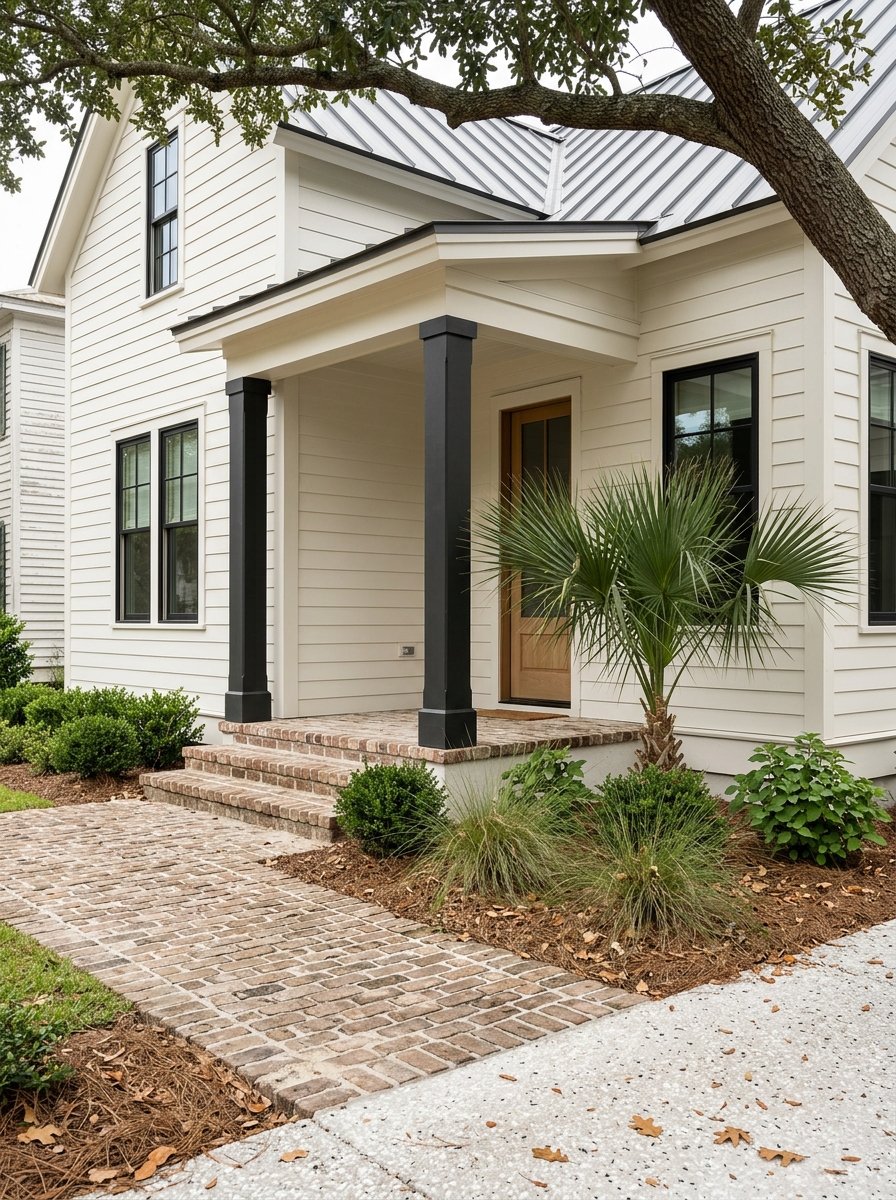
Buying on Johns Island is rarely as simple as choosing new or resale. The better question is what kind of daily life you want, how much maintenance you want to take on, and what tradeoffs fit your budget and move timeline. If you are weighing both options, this guide will help you compare lot size, HOA costs, commute, customization, and timing so you can make a smart decision with confidence. Let’s dive in.
Johns Island offers more than one price point
Johns Island is not a one-size-fits-all market. Redfin’s March 2026 neighborhood report placed the median sale price at $671,000, but current inventory stretches well below and well above that number depending on home type, lot size, and location.
That range matters when you compare new construction and resale homes. You may find attached or townhome options below $500,000, while single-family homes, larger lots, and acreage properties can push into the $700,000s, $800,000s, and beyond. On Johns Island, the category alone does not tell the full story.
What new construction looks like
New construction on Johns Island spans several distinct tiers. Indigo Grove townhomes start at $499,990, Sea Island Preserve starts at $659,990+, and Indigo Grove single-family homes start at $699,990+. Active homes in these communities have also been priced into the high $700,000s and low $800,000s.
One of the biggest draws of a new home is the fresh, current feel. Recent Johns Island listings highlight features like quartz countertops, Hardie Plank siding, tankless water heaters, ENERGY STAR appliances, gutters, and irrigation. Some communities also emphasize personalization, which can be appealing if you want to shape finishes and details before move-in.
That said, new construction is not all the same. Lot sizes and HOA dues can vary sharply from one community to the next, so it is important to compare each neighborhood on its own terms.
New homes can vary widely by community
A Hayes Park townhouse example showed about 0.12 acres with $420 per month in HOA dues. An Indigo Grove single-family example showed a 6,534-square-foot lot with $62 per month in dues. A Sea Island Preserve sample home sat on 0.37 acres with $163 per month dues.
Then there is The Isles, which is pre-selling 1+ acre lots with minimal HOA restrictions and a reported 10-minute drive to downtown. That is a very different lifestyle from a townhome community with bundled exterior services. Johns Island new construction gives you options, but those options can look dramatically different.
New construction often means lower maintenance
For many buyers, the appeal of new construction is simple: fewer immediate projects. Newer homes often come with updated materials and systems that may reduce early maintenance compared with an older property.
Some HOA structures also bundle services that lighten your to-do list. One Hayes Park listing noted exterior insurance, termite bond, pressure washing, yard maintenance, and irrigation as part of the HOA package. If convenience matters more to you than extra land, that kind of setup may feel like a good fit.
New homes still need careful review
A brand-new home is not the same as a risk-free home. Some new-construction listings advertise warranty protection, including one Hayes Park listing that noted a 10-year warranty and home warranty, but warranty details can include exclusions.
Inspection still matters. South Carolina’s Residential Builders Commission licenses both residential builders and home inspectors, so it is wise to verify credentials for any third-party professionals you hire. If you are buying new construction, you still want a clear understanding of workmanship, systems, timelines, and what the builder warranty does and does not cover.
What resale homes look like
Resale homes on Johns Island often stand out for land, variety, and established settings. If you want more outdoor space, a more varied streetscape, or a property with a little more history, resale may open more doors.
Examples from the current market show just how broad that range can be. A Headquarters Plantation home showed 0.31 acres with $83 per month HOA dues and a reported 10-minute drive to historic downtown Charleston. Another Headquarters listing showed 1.03 acres with semiannual HOA fees of $924.
Resale can offer more land
If lot size is high on your list, resale may deserve a close look. A River Landing home sold in March 2026 for $877,000 on 2.1 acres with $54 per month HOA dues, plus access to a private neighborhood dock and boat ramp.
At the far end of the spectrum, Johns Island also has no-HOA land and estate-style opportunities. One Old Pond Road property offered 7.8 acres and was listed at $2.1 million. If your vision includes elbow room, room for outdoor use, or simply more distance between homes, resale may offer more flexibility.
Resale does not always mean lower HOA
It is easy to assume older neighborhoods automatically mean lower dues, but that is not always true. Rushland Plantation, for example, showed semiannual association fees of $974 and community features that included dock facilities, a pool, trash service, and walk or jog trails.
The bigger takeaway is this: do not judge HOA cost by whether a home is new or resale. Look at what the dues cover, what amenities or services come with them, and how that fits your lifestyle.
Resale gives you more maintenance history
One practical advantage of resale is that you can often see more of the home’s repair and replacement story. A River Landing listing highlighted a new roof in 2022 and HVAC replacement in 2021, which gives buyers more context about major systems.
That history can help you budget more clearly. Instead of guessing what might need attention, you may be able to review updates, ages of key systems, and the home’s overall level of care before you move forward.
The biggest tradeoffs to compare
On Johns Island, the strongest deciding factors are usually not the label alone. They are often lot size, HOA burden, commute, and maintenance tolerance.
If you are trying to choose between new construction and resale, these are the categories worth weighing most carefully.
Compare commute by neighborhood
Commute is neighborhood-specific, not category-specific. Indigo Grove townhomes are described as a short 7-mile drive to downtown Charleston. The Isles says 10 minutes to downtown, while Headquarters Plantation is also described as 10 minutes to historic downtown Charleston.
River Landing, by contrast, is described as 17 miles from downtown Charleston. That means a resale home may be closer or farther depending on where it sits, and the same is true for new construction. If location drives your routine, compare addresses and routes instead of assuming one category wins.
Compare customization versus character
New construction usually has the advantage if you want to choose plans, options, or finishes. Sea Island Preserve highlights easy personalization, and The Isles offers four floor plans. If you like the idea of a more curated, move-in-ready design process, new construction may feel especially appealing.
Resale often offers a different kind of value. You may get mature landscaping, a more established layout of the neighborhood, or a setting that feels less uniform from house to house. If your priority is personality, space, or a more established feel, resale may check more boxes.
Compare HOA and utilities carefully
On Johns Island, HOA and utility details can vary just as much as home style. Some communities package extensive exterior or yard services into the HOA, while others have more modest dues or minimal restrictions.
Utility setup can vary too. The Isles uses private sewer, while Headquarters Plantation shows public sewer. Before you commit, verify sewer or septic status, utility providers, and any ongoing maintenance responsibilities so you know exactly what ownership will involve.
Compare your move-in timeline
If you need a firm move date, resale is often simpler. You can avoid the uncertainty that can come with pre-selling, design choices, build progress, and final inspection.
New construction may still be the right fit if you can be flexible. But if your schedule is tied to a relocation, lease end, school calendar, or sale of another property, the timing side of the decision deserves real attention.
Which option may fit you best
There is no universal winner on Johns Island. The right choice depends on how you want to live and what tradeoffs matter most to you.
New construction may be a better fit if you want:
- Modern finishes and materials
- Lower early maintenance needs
- Personalization options
- A more packaged HOA lifestyle
- A home that feels turnkey from day one
Resale may be a better fit if you want:
- More lot size or acreage
- A wider range of neighborhood settings
- More visible maintenance history
- Possible access to lower dues in some communities
- More variety in home style and site layout
The Johns Island bottom line
On Johns Island, this decision is usually less about whether a home is new or resale and more about the story behind the property. A 0.12-acre townhome with a $420 monthly HOA offers a very different lifestyle than a 1+ acre new-construction lot with minimal restrictions, just as a 0.31-acre resale home with modest dues feels very different from a 7.8-acre no-HOA parcel.
That is why local guidance matters. When you look past the label and compare the full picture, you can choose a home that supports your budget, your timeline, and the way you want to live on Johns Island.
If you are exploring Johns Island and want help comparing communities, lot sizes, HOA structures, and move-in timelines, connect with Natalie Bodie - Modern and Main Group for thoughtful, high-touch guidance tailored to your next move.
FAQs
What is the main difference between new construction and resale homes on Johns Island?
- The biggest differences are often lot size, HOA structure, maintenance expectations, customization options, and move-in timeline rather than the label alone.
Are new construction homes on Johns Island always more expensive than resale homes?
- No. Current examples show new construction ranging from townhomes starting at $499,990 to single-family homes priced into the $700,000s and $800,000s, while resale options also range from modest-dues neighborhoods to large acreage properties over $2 million.
Do resale homes on Johns Island usually come with more land?
- Often, yes. Current resale examples include homes on 0.31 acres, 1.03 acres, 2.1 acres, and even a 7.8-acre no-HOA parcel.
Should you inspect a new construction home on Johns Island?
- Yes. Even with a builder warranty, buyers should still review the home carefully and verify the credentials of any home inspector or other third-party professionals through South Carolina’s Residential Builders Commission.
Are HOA fees lower in Johns Island resale neighborhoods?
- Not always. Some resale neighborhoods have modest dues, but others include higher fees tied to amenities and services, so it is important to review each community individually.
How do utility setups differ between Johns Island communities?
- Utility structures can vary by neighborhood. For example, The Isles uses private sewer, while Headquarters Plantation shows public sewer, so buyers should verify utilities and maintenance responsibilities before closing.